
Healthcare Doesn’t Have an Awareness Problem. It Has an Activation Problem.
Healthcare organizations are increasingly good at identifying who needs care. The harder problem is helping people actually take the next step. This article explores the gap between awareness and activation, and why healthcare engagement should ultimately be measured by action.
By The Maggy Health Team
Healthcare organizations know a lot about the people they serve.
Health plans know which members are overdue for screenings.
ACOs know which patients have open care gaps.
Health systems know which patients need follow-up care.
Employers know which benefits and programs are available to their employees.
The problem is often not identifying what needs to happen.
The problem is getting people to actually do it.
That is the difference between awareness and activation.
And it may be one of the biggest opportunities in healthcare.
Identifying a Care Gap Is Only the Beginning
Consider something as common as a mammogram.
A health plan may know that a member is overdue.
The organization can put that person on a list.
It can send a letter.
It can send an email.
It can send a text reminding the member that a screening is due.
At that point, the organization has done a good job of identifying the need and communicating it.
But the mammogram still has not happened.
The member may still need to figure out:
- Why the screening is recommended
- Whether insurance covers it
- Where to go
- Which facility is in-network
- How much it may cost
- Whether a referral is required
- How to schedule it
- What to do if the available appointment times do not work
Each unanswered question creates another opportunity for the person to stop.
Healthcare often calls the reminder an engagement.
The person may experience it as another task.
Information Is Not the Same as Action
This problem extends far beyond preventive care.
A primary care physician recommends a sleep study.
A member needs to find a cardiologist.
A patient is told to schedule a colonoscopy.
An employee learns that a diabetes management program is available.
A health plan identifies someone who should complete an annual wellness visit.
In each example, the healthcare system knows the desired next step.
The individual may even know the desired next step.
But knowing is not doing.
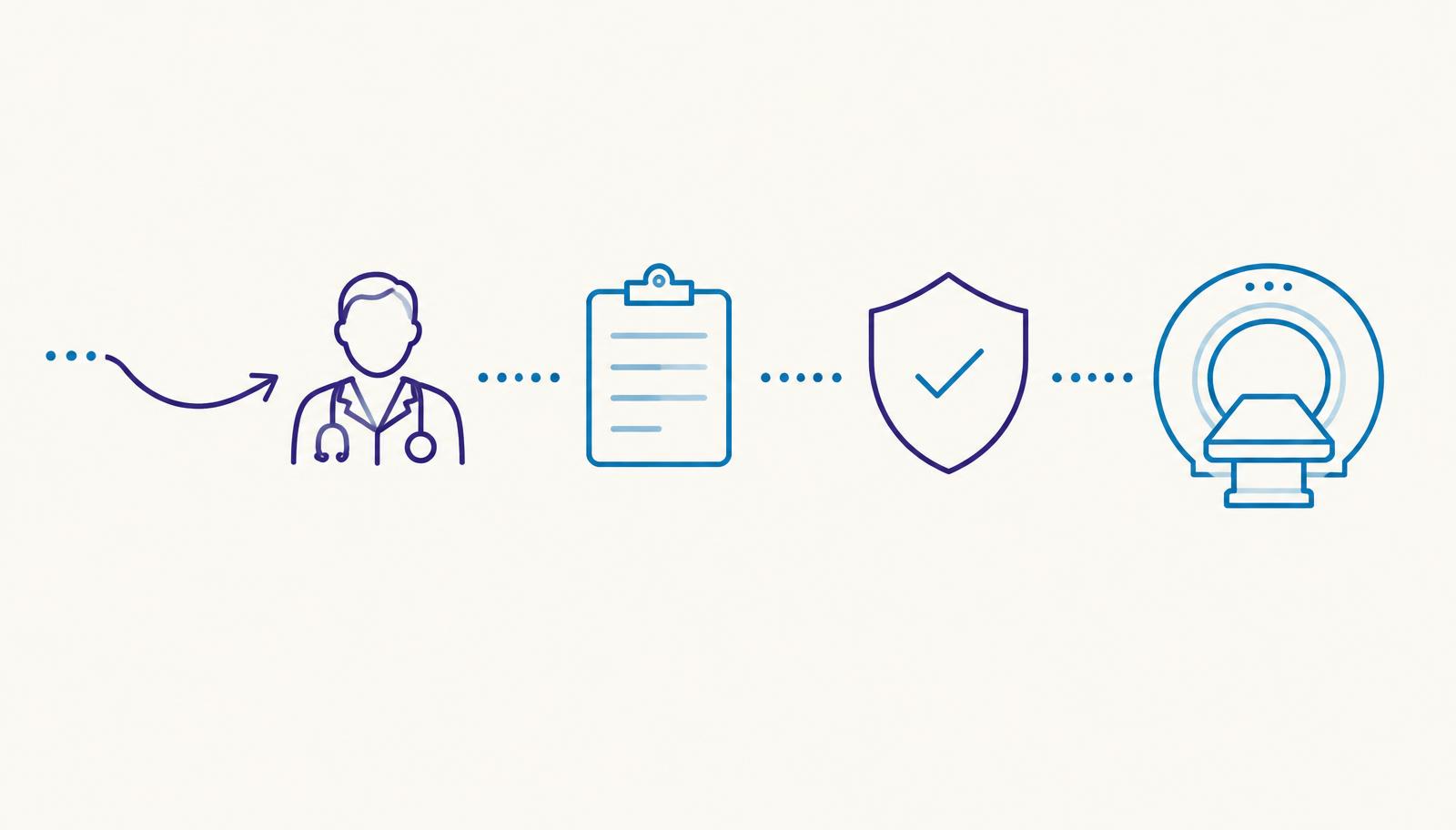
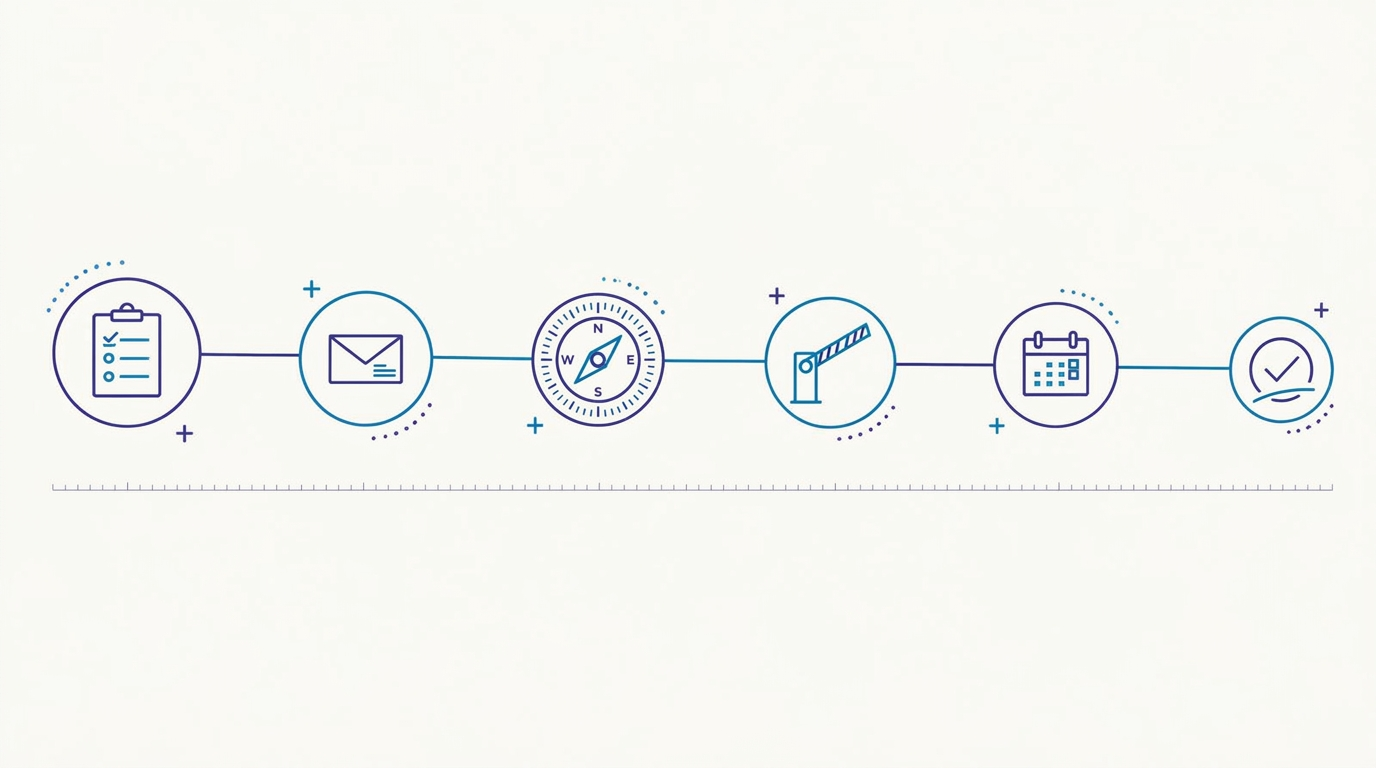
There is an entire journey between:
“You should do this.” and “This is scheduled.”
And another journey between:
“This is scheduled.” and “This was completed.”
That middle ground is where healthcare loses enormous amounts of momentum.
Why People Don’t Act
It is tempting to describe this simply as a patient engagement problem.
But that can hide what is really happening.
People do not necessarily ignore healthcare because they do not care.
Sometimes the next step is just too difficult.
A person may receive a reminder but not know which provider to call.
They may search a provider directory and see hundreds of results.
They may wonder whether a test is covered.
They may be concerned about the cost.
They may not understand the difference between a specialist and a facility.
They may call during business hours and reach voicemail.
They may intend to take care of it later.
And then life happens.
Every bit of friction lowers the likelihood that the recommended action gets completed.
Healthcare Has Built Excellent Identification Systems
Over the last several years, healthcare organizations have become increasingly sophisticated at finding opportunities for intervention.
Claims data can reveal missed services.
Clinical data can identify care gaps.
Quality programs can identify populations needing specific interventions.
Risk models can identify patients who may benefit from additional attention.
Population health platforms can produce highly targeted lists.
That work is enormously valuable.
But a perfect list of people who need care is not the same thing as completed care.
The next competitive advantage may come from what happens after the list is created.
The Missing Layer Is Activation
Activation means helping someone move from a recommendation to a completed next step.
That can require more than outreach.
It may require a conversation.
For example:
“You are due for colorectal cancer screening.”
“Here are the screening options that may apply to you. Would you like to understand the differences?”
Then:
“Based on the option you selected, here are appropriate locations.”
Then:
“These facilities participate in your coverage.”
Then:
“Here is the pricing information we can responsibly determine.”
Then:
“Would you like help scheduling?”
That is fundamentally different from sending another reminder.
The goal is not simply to create another touchpoint.
The goal is to remove the next barrier.
A Conversation Can Change the Model
Traditional digital healthcare experiences frequently require the person to navigate the healthcare organization’s structure.
- Find the right website.
- Log into the correct portal.
- Choose a department.
- Search a provider directory.
- Understand medical terminology.
- Find a phone number.
- Call during business hours.
Instead, imagine beginning with:
“What are you trying to do?”
From there, a conversational experience can progressively resolve the questions standing between the individual and the next appropriate action.
The technology does not need to replace physicians, care managers, schedulers, or other healthcare professionals.
It can help make their work more effective by handling many of the routine navigation steps that otherwise create friction for patients and administrative burden for care teams.
Activation Matters to Health Systems
For health systems, activation can mean helping patients move from a recommendation into appropriate care within the system.
A patient may need:
- A primary care physician
- A specialist
- Imaging
- A screening
- Rehabilitation
- A procedure
- A follow-up appointment
If the process of finding and scheduling that care is difficult, the patient may delay care or go elsewhere.
A better navigation experience can improve the patient’s experience while also helping health systems maintain continuity of care.
Activation Matters to Health Plans and Risk-Bearing Organizations
For health plans, ACOs, medical groups, and other organizations responsible for population outcomes, identifying a care gap is only valuable when the gap eventually closes.
An organization may know exactly which members need:
- Annual wellness visits
- Cancer screenings
- Diabetic eye exams
- Preventive services
- Follow-up care
- Chronic disease programs
But performance ultimately depends on what actually happens.
Helping members understand the recommendation, find the right place to receive care, overcome cost or coverage questions, and complete the service can turn population health intelligence into measurable action.
Activation Matters to Employers Too
Employers increasingly provide employees with access to healthcare programs, navigation services, centers of excellence, mental health resources, chronic disease programs, and other benefits.
The challenge can be remarkably similar.
Employees may have valuable benefits available to them but not know:
- What is available?
- Does this apply to me?
- Where do I start?
A benefit that is technically available but too difficult to navigate may never deliver its intended value.
Activation is about closing that gap.
This Is Why We Built Maggy Health™
Maggy Health™ is being designed around a simple idea:
Do not stop at telling people what they should do. Help them do it.
Maggy can begin with the individual and the decision in front of them.
She can help explain a recommended next step, answer questions, identify appropriate providers or facilities, provide insurance and pricing context where available, and help move the person toward scheduling and completion.
For healthcare organizations, that creates a bridge between the intelligence they already possess and the action they ultimately need.
The organization may already know:
Who needs care.
Maggy is focused on the next question:
How do we help them get it?
The Takeaway
Healthcare has invested heavily in finding the right patients, identifying the right opportunities, and sending the right messages.
Those capabilities matter.
But the future of engagement cannot be measured only by emails opened, texts delivered, portal visits, or outreach attempts.
The more meaningful question is:
Did the person take the next appropriate action?
That requires moving beyond awareness.
Beyond outreach.
Beyond another reminder.
Toward activation.
Because the real value of healthcare engagement is not that someone received the message. It is that something happened because of it.