The Gap Between Identifying a Care Gap and Actually Closing One
Healthcare organizations are increasingly good at identifying who needs care. The harder challenge is moving someone from an open care gap to completed care. This article breaks that journey into six steps and explains why activation matters.
By The Maggy Health Team
Healthcare organizations have become very good at identifying care gaps.
A health plan can know which members are overdue for a mammogram.
An ACO can identify patients who need an annual wellness visit.
A primary care practice can see which patients are missing diabetic eye exams.
A population health platform can generate a list of hundreds or thousands of people who need something.
That is valuable.
But identifying the care gap does not close it.
The gap only closes when the person actually receives the appropriate care.
And between those two points is an entire workflow that healthcare often underestimates.
The List Is the Beginning, Not the Outcome
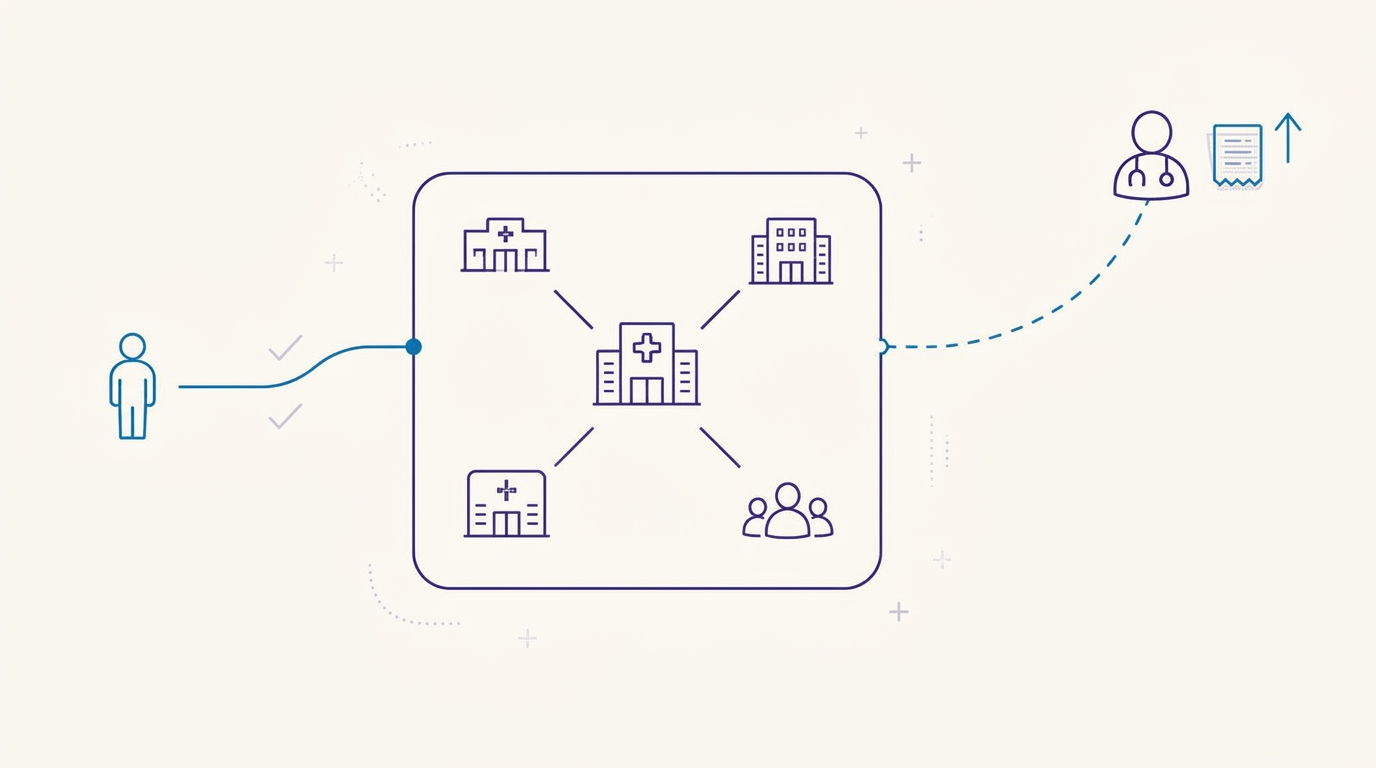
Imagine a health plan identifies 1,000 members who are overdue for colorectal cancer screening.
The organization has successfully answered:
Who needs attention?
Now comes the harder part.
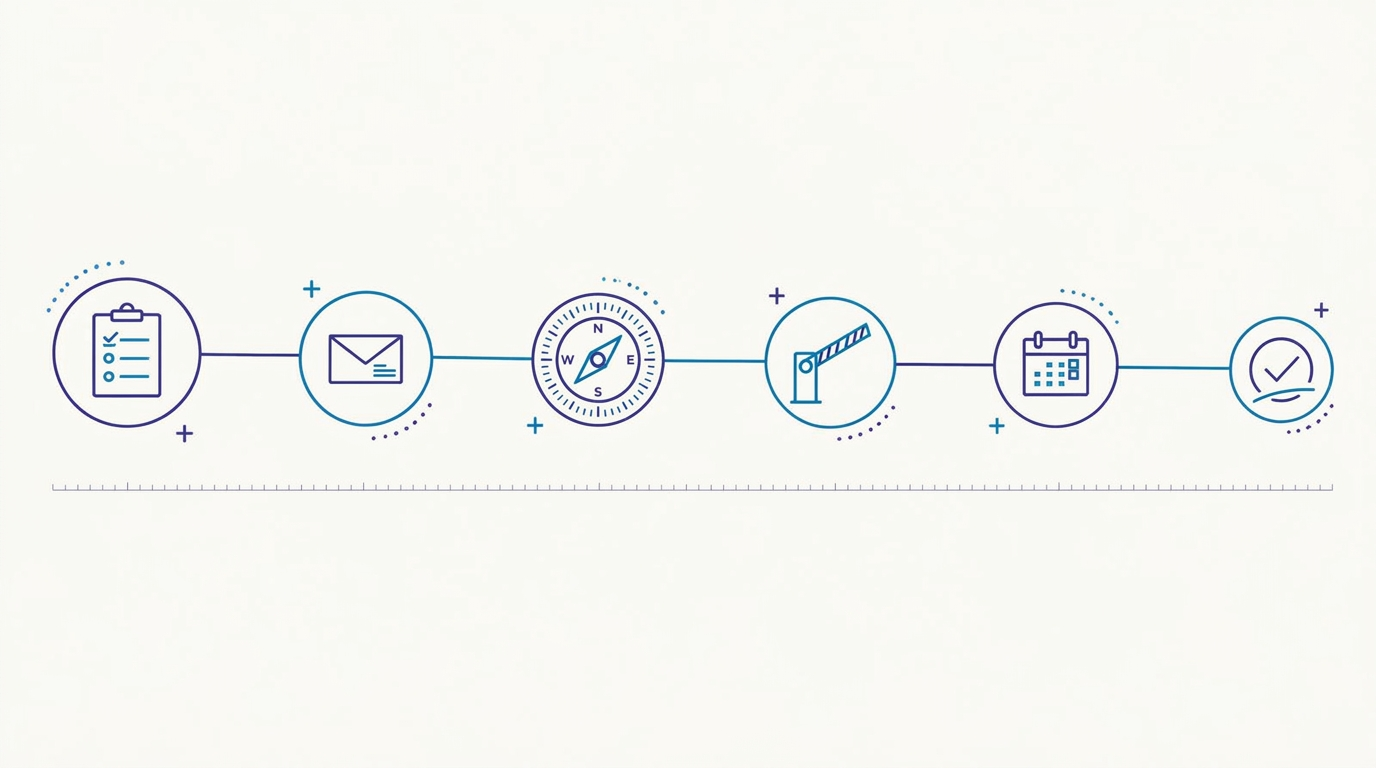
Each person still has to move through some version of this journey:
Identify → Engage → Navigate → Resolve Barriers → Schedule → Complete
Every step presents an opportunity for the process to stop.
That is why a sophisticated population health program can have excellent data and still struggle to close care gaps.
The analytics may identify the opportunity perfectly.
The challenge is converting that opportunity into action.
Step 1: Identify
This is where healthcare has invested heavily.
Claims data, EHR data, quality measures, registries, risk models, and population health platforms can increasingly identify people who appear to need care.
Examples might include:
- Mammography
- Colorectal cancer screening
- Annual wellness visits
- Diabetic eye exams
- Diabetic monitoring
- Vaccinations
- Blood pressure follow-up
- Other recommended preventive and chronic care
Identification is essential.
But the output is usually something like:
Kevin is overdue for a screening.
The system knows something should happen.
Kevin has not done anything yet.
Step 2: Engage
The next step is usually outreach.
Send a letter.
Send an email.
Send a text message.
Put an alert in the patient portal.
Have someone from the care team call.
These efforts can create awareness.
But there is a major difference between:
“You are due for a mammogram.”
and
“I scheduled my mammogram.”
The message may be delivered successfully and still produce no action.
That is why measuring outreach alone can be misleading.
A text delivered is not a care gap closed.
An email opened is not a care gap closed.
A portal notification viewed is not a care gap closed.
Those are intermediate signals.
The outcome is still the care.
Step 3: Navigate
This is where the journey often becomes much harder for the patient.
Suppose the message works.
The patient thinks:
“Okay. I should get this done.”
Now what?
They may need to figure out:
Where should I go?
Is a referral or order required?
Which locations accept my insurance?
Is this preventive or diagnostic?
Will I have to pay?
Who do I call?
Can I schedule online?
Which location has an appointment that works?
The healthcare organization may have succeeded in motivating the individual and still lose them at the navigation step.
That is an important distinction.
Motivation does not eliminate friction.
Step 4: Resolve the Barriers
Sometimes the problem is not willingness at all.
A person may want to complete the recommended care but encounter a barrier.
Maybe they are worried about cost.
Maybe they do not have transportation.
Maybe they cannot find an appointment outside working hours.
Maybe they do not understand why the screening is necessary.
Maybe they think it is already complete because they had something similar last year.
Maybe a referral is missing.
Maybe prior authorization is required.
Maybe the nearest appropriate provider is difficult to reach.
Each situation requires a different response.
Sending the same reminder again does not necessarily solve any of them.
The more useful question is:
“What is preventing this person from completing the next step?”
Once the barrier is understood, the intervention can become much more relevant.
Step 5: Schedule
Scheduling is another point where good intentions disappear.
A patient might decide at 8:30 at night:
“I’m finally going to take care of this.”
If the next instruction is:
“Call this number Monday through Friday between 8:00 and 5:00,”
the journey may stop again.
The longer the distance between intention and action, the greater the opportunity for life to intervene.
Children.
Work.
Travel.
Another medical issue.
Or simply forgetting.
When possible, the ideal experience is:
I understand what I need → I choose an appropriate option → I schedule it now.
Every unnecessary handoff makes completion less certain.
Step 6: Complete
Even scheduling does not close the gap.
The patient still has to show up.
Appointments get canceled.
People forget.
Transportation fails.
Schedules change.
Preparation instructions are misunderstood.
And sometimes care happens, but the organization trying to close the gap does not know that it happened.
So the final step is not merely:
Scheduled
It is:
Completed and recognized as completed.
That last distinction matters for health plans, ACOs, practices, and other organizations responsible for quality performance.
Care Gap Closure Is a Funnel
This suggests a different way to think about care gaps.
Instead of simply counting:
Open gaps
and
Closed gaps
consider the journey between them.
How many people were identified?
How many were reached?
How many engaged?
How many encountered a barrier?
How many selected a provider?
How many scheduled?
How many completed the service?
Where are people dropping out?
That turns care-gap management from a list-management exercise into an activation funnel.
And once you can see the funnel, you can start improving it.
Different People Need Different Help
Not everyone needs the same level of intervention.
One patient may receive a text saying:
“You are due for your mammogram.”
and immediately schedule it.
Great.
Do not make that journey more complicated.
Another person may ask:
“Is it covered by my insurance?”
Someone else:
“Where can I get it near my office?”
Another:
“I don't have transportation.”
Another:
“Why do I even need this?”
The goal should not be to force every patient through the same workflow.
It should be to provide the least amount of help necessary to get that individual to the appropriate next step.
That is a very different model from simply increasing outreach frequency.
Why This Matters to Risk-Bearing Organizations
For health plans, ACOs, CINs, primary care organizations, and other groups responsible for quality and cost, this distinction matters enormously.
The organization may already possess excellent intelligence about:
who needs care.
But the economic and clinical value generally arrives when something actually happens.
The screening occurs.
The annual wellness visit happens.
The diabetic eye exam is completed.
The patient enters the appropriate program.
The follow-up visit occurs.
In other words:
Identification creates opportunity. Completion creates value.
This Is How We Think About Maggy
At Maggy Health, we think the missing layer between population health intelligence and completed care is activation.
The organization may already know that a patient has an open care gap.
Maggy can help with what happens next.
That can include:
Engage:
Reach the individual with a relevant message.
Explain:
Help them understand why the care matters.
Navigate:
Identify appropriate providers, facilities, or programs.
Resolve:
Help address questions about coverage, price, access, transportation, or other barriers.
Act:
Move toward scheduling or another appropriate next step.
Follow through:
Continue nudging when necessary until the journey is completed.
Not every patient needs every step.
That is the point.
The experience should adapt to where the person is getting stuck.
The Metric That Matters Most
Healthcare has plenty of engagement metrics.
Messages sent.
Open rates.
Click-through rates.
Portal logins.
Calls completed.
Conversations started.
Those can all be useful operational indicators.
But they are not the final outcome.
If the objective is to close a mammography gap, the question ultimately becomes:
Did the mammogram happen?
If the objective is an annual wellness visit:
Was the visit completed?
If the objective is diabetic eye care:
Did the patient receive the appropriate exam?
The closer healthcare organizations can connect engagement activity to actual completed care, the more meaningful engagement becomes.
The Takeaway
Healthcare does not necessarily have a shortage of care-gap intelligence.
Many organizations already know remarkably well who needs what.
The harder problem lies between:
“This person needs care.”
and
“This person received care.”
That middle matters.
Identify → Engage → Navigate → Resolve Barriers → Schedule → Complete
Improving that journey may be one of the largest remaining opportunities in population health.
Because identifying a care gap is important.
Closing it is the point.