Out-of-Network Care: What It Means and Why It Can Get Expensive Fast
A provider can “take your insurance” and still be out-of-network for your specific health plan. This article explains what out-of-network care means, why it can cost more, and the questions consumers should ask before planned care.
By The Maggy Health Team
You find a doctor you like.
They say they take your insurance.
You schedule the visit.
Then the bill arrives, and it is much higher than you expected.
One possible reason:
The provider was out-of-network for your specific health plan.
That can make a big difference in what your insurance pays and what you may owe.
What Does Out-of-Network Mean?
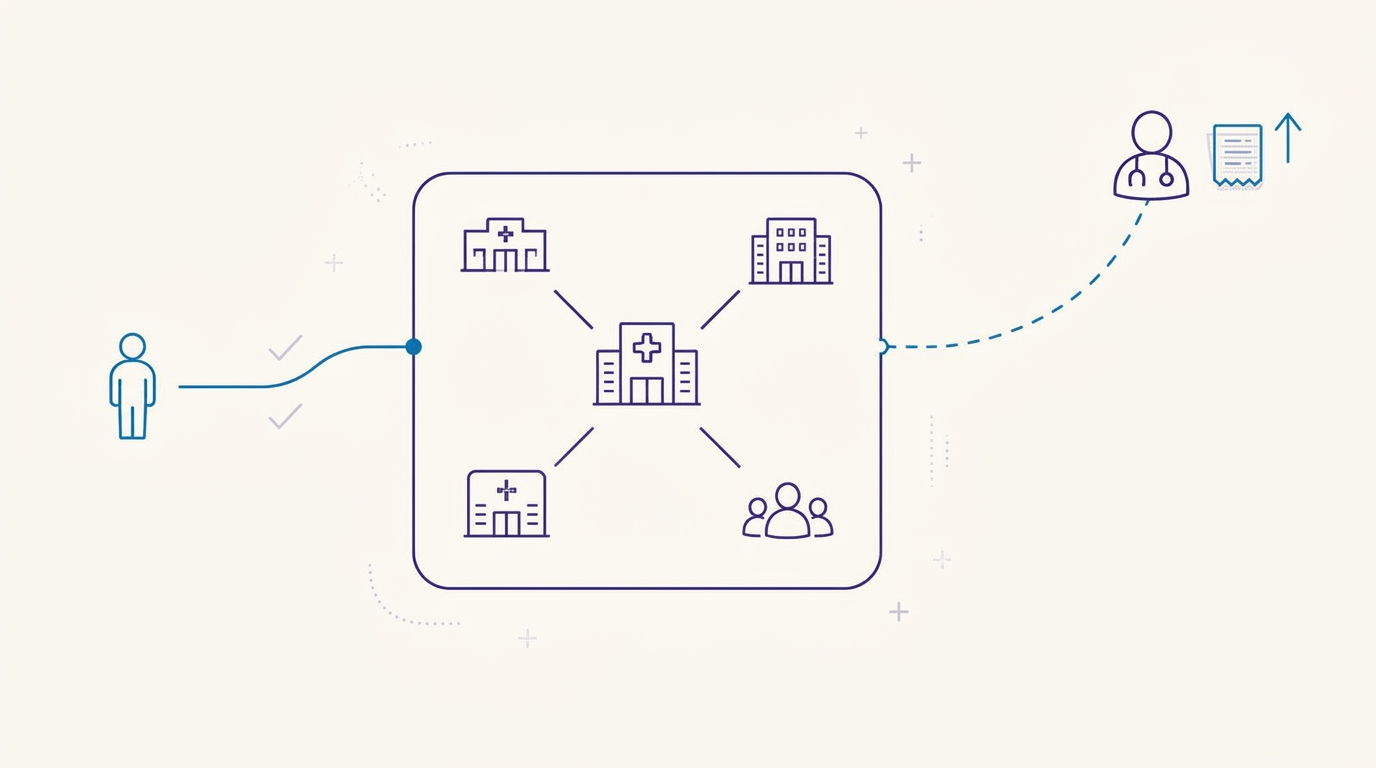
Health plans create networks of doctors, hospitals, imaging centers, labs, and other healthcare providers.
If a provider has a contract with your specific plan, they are generally in-network.
If they do not, they are out-of-network.
That can affect:
- How much your plan pays
- How much you pay
- Whether a separate deductible applies
- Whether the service is covered at all
The details depend on your plan.
“We Take Your Insurance” Is Not Enough
This is one of the most important things to know.
A provider may say:
“Yes, we take Blue Example Insurance.”
But that does not always mean they are in-network for your exact plan.
Large insurance companies may offer many different products and networks.
A better question is:
“Are you in-network for my specific health plan?”
That is the question worth confirming before planned care.
Why Can Out-of-Network Care Cost More?
When you use an in-network provider, your health plan has usually negotiated a price with that provider.
Out-of-network providers may not have agreed to those same terms.
That can mean:
- Your plan pays less
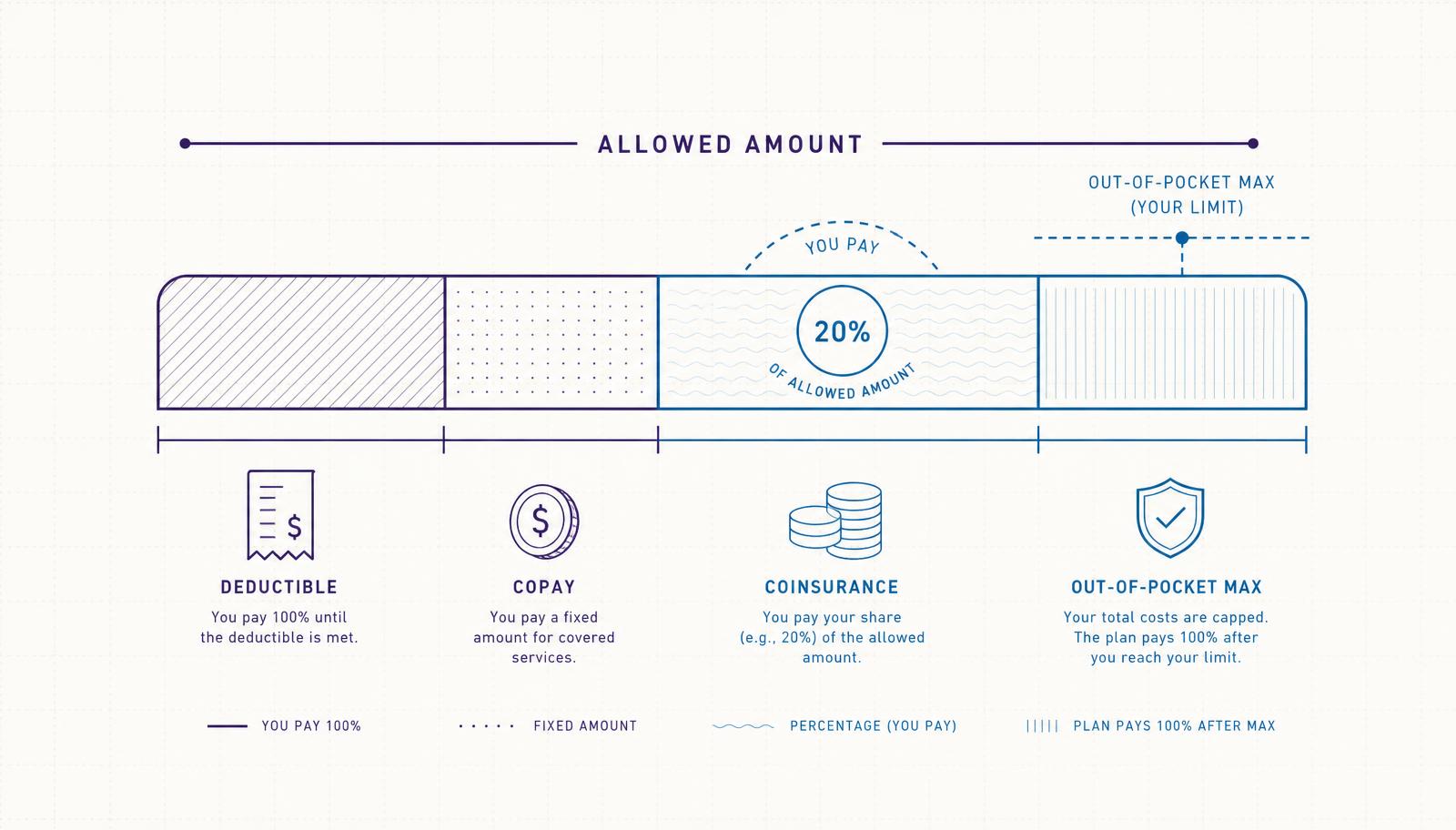
- Your deductible is higher
- Your coinsurance is higher
- You may be responsible for more of the provider’s charge
That is why out-of-network care can get expensive quickly.
A Simple Example
Imagine a provider charges $2,000.
Your health plan says it recognizes $1,000.
If the provider is out-of-network, your plan may only pay part of that amount.
You may then be responsible for more of the remaining cost.
The exact amount depends on your plan, the provider, and the service. This is a simplified illustration, not an estimate of what you would pay.
The important point is this:
The provider’s charge and the amount your insurance recognizes may not be the same.
Surprise Billing Protections Can Help
Federal law now protects patients from certain unexpected out-of-network bills.
These protections may apply in situations such as:
- Emergency care
- Certain services from out-of-network clinicians at an in-network facility
These rules are important.
But they do not mean all out-of-network care is treated like in-network care.
If you knowingly choose an out-of-network provider for planned care, you may still face higher costs.
One Visit Can Involve More Than One Provider
Another reason this gets confusing is that one healthcare visit can involve several people or organizations.
For example, a procedure may include:
- The facility
- The doctor
- Anesthesiology
- Radiology
- Pathology
- Lab services
You might choose an in-network hospital but still have questions about who else is involved.
That is why it is worth asking about both the main provider and the facility before planned care.
Out-of-Network Is Not Always the Wrong Choice
Sometimes there are good reasons to go out-of-network.
You may want a specific specialist.
You may have a rare condition.
You may be traveling.
You may want to stay with a doctor you already know.
The point is not that out-of-network care is always bad.
The point is that you should understand the financial tradeoff before you choose it whenever possible.
Five Questions to Ask Before Planned Care
Before scheduling, ask these five questions.
- 1. Are you in-network for my exact health plan?
- 2. Is the facility also in-network?
- 3. Are there other doctors or services that may be billed separately?
- 4. What will my plan cover if I go out-of-network?
- 5. Are there appropriate in-network alternatives?
Those five questions can prevent a very unpleasant surprise later.
This Is Why Healthcare Navigation Matters
Consumers should not have to understand every insurance contract behind the healthcare system.
But today, they often have to figure out:
- Is this doctor in-network?
- What about the facility?
- Will insurance cover it?
- What might I owe?
- Are there other options nearby?
That is a lot of work for a patient.
At Maggy Health™, we think the technology should handle more of that complexity.
Someone should be able to ask:
“Can I see this doctor with my insurance?”
And get help understanding the network, benefits, pricing, and alternatives that matter to that decision.
The Takeaway
The phrase “we take your insurance” is not enough.
Before planned care, the better question is:
“Are you in-network for my specific health plan?”
That small difference can have a big effect on what you pay.
And healthcare should make that answer much easier to find.