
Prior Authorization: What It Is, Why It Exists, and Why It Can Delay Care
Prior authorization can be confusing because it often happens after a doctor has already recommended care. This article explains what prior authorization is, why health plans use it, why it can delay care, and what patients should ask next.
By The Maggy Health Team
Your doctor recommends an MRI.
You call to schedule it.
And instead of getting an appointment, you hear:
“We need prior authorization from your insurance company first.”
For many people, that is the moment healthcare suddenly becomes confusing.
But prior authorization does not necessarily mean your health plan denied the care.
It usually means the plan wants additional review before it agrees to cover a particular service, medication, procedure, or treatment under the plan’s rules.
What Is Prior Authorization?
Prior authorization, sometimes called preauthorization or precertification, is a process some health plans use before certain services are provided.
The health plan may ask for information showing that the requested care meets its coverage criteria.
That can include:
- Your diagnosis
- Symptoms
- Previous treatments
- Test results
- Clinical notes
- The service being requested
- Why your physician believes it is appropriate
The provider generally submits that information, and the plan reviews it.
Why Do Health Plans Use It?
Prior authorization is intended to help health plans determine whether certain care meets their coverage requirements.
It may also be used to encourage:
- Evidence-based treatment
- Appropriate sites of care
- Lower-cost alternatives when clinically appropriate
- Preferred medications
- Step-therapy requirements
- Services covered under the member’s specific benefits
That may sound reasonable in theory.
The problem is that the process can create delay and confusion in practice.
Prior Authorization Is Not the Same as a Referral
These terms are often mixed together.
A referral generally involves one healthcare provider directing you to another provider or specialist.
A prior authorization involves your health plan deciding whether a particular service meets its coverage requirements.
You can sometimes need both.
For example, your plan may require a referral to see a specialist, and then a procedure ordered by that specialist may require prior authorization.
Approval Does Not Mean the Care Is Free
This is another important distinction.
Suppose your health plan approves an MRI.
That does not necessarily mean you will owe nothing.
Your cost may still depend on:
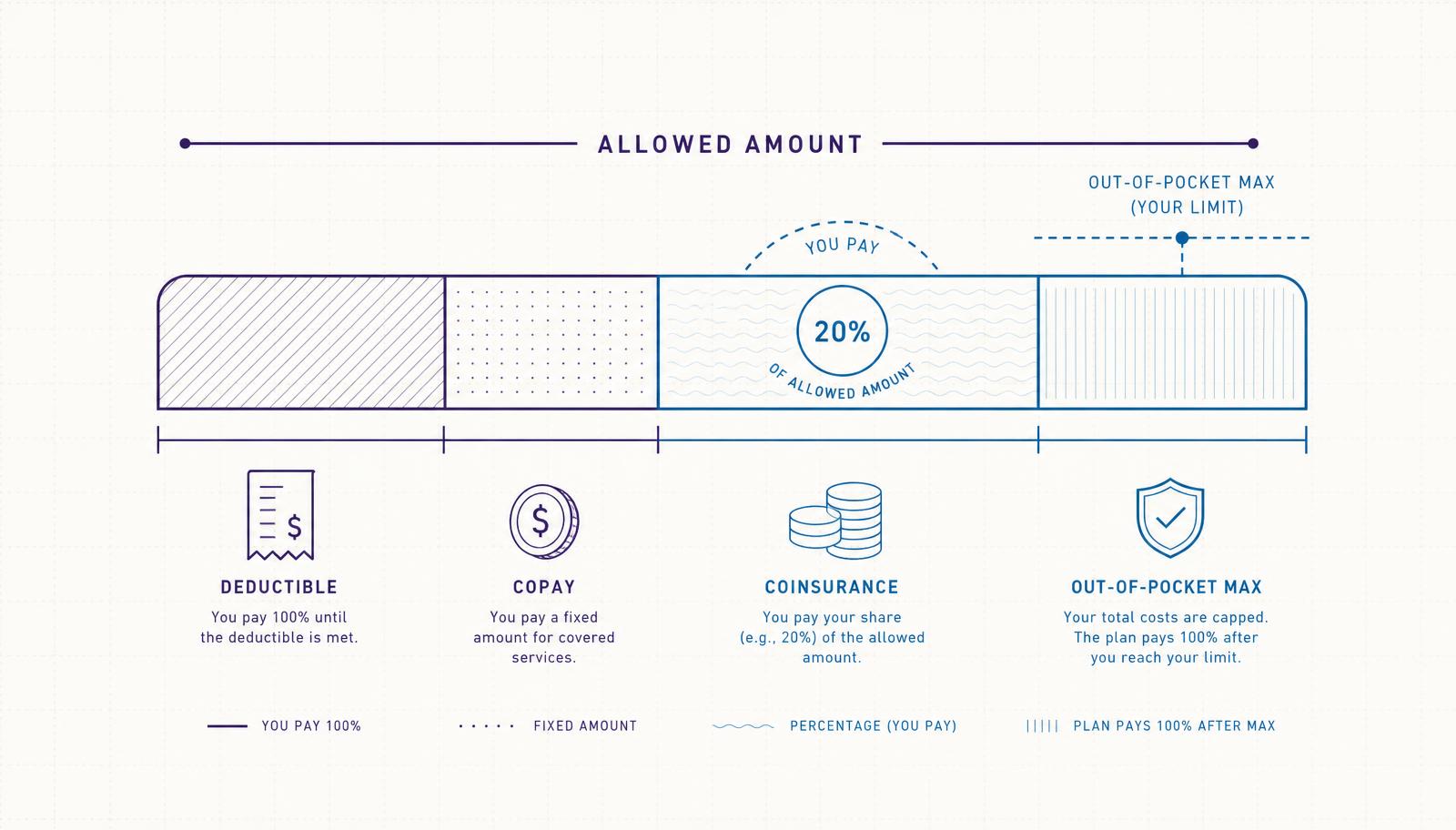
- Your deductible
- Copay
- Coinsurance
- The negotiated rate
- The facility you choose
- Whether the relevant providers are in-network
So there are really two different questions:
Will my plan cover this service under its rules? And what will I have to pay?
Prior authorization may help answer the first.
It does not automatically answer the second.
Why Can Prior Authorization Delay Care?
The basic process can involve several steps:
- 1. Your clinician recommends care.
- 2. Someone checks whether authorization is required.
- 3. Clinical information is submitted.
- 4. The health plan reviews the request.
- 5. More information may be requested.
- 6. A decision is made.
On paper, that looks straightforward.
In reality, multiple people and organizations can be involved.
A physician’s office may submit the request.
An authorization team may manage the paperwork.
The health plan may ask for more documentation.
Someone may need to follow up.
Scheduling may wait until approval is confirmed.
Every handoff creates another opportunity for delay.
And the patient is often left asking:
- Has it been submitted?
- Did insurance deny it?
- Does my doctor need to do something?
- Can I schedule yet?
Often the biggest problem is not just the delay.
It is the lack of visibility into what is happening.
What If the Request Is Denied?
A denial does not always mean the process is over.
Depending on the situation, the provider may:
- Submit additional information
- Correct missing information
- Request reconsideration
- Complete a peer-to-peer review
- Appeal the decision
- Recommend another treatment or service
Patients may also have appeal rights under their plan.
So the most useful question is not simply “Was it denied?”
It is: “Why was it denied, and what can happen next?”
Five Questions Worth Asking
If you are waiting for planned care, these questions can help:
- 1. Does this service require prior authorization under my specific plan?
- 2. Who is responsible for obtaining it?
- 3. Has the request already been submitted?
- 4. Has it been approved, denied, or sent back for more information?
- 5. What still needs to happen before I can schedule the care?
You may also want to confirm whether the authorization applies to the specific provider or facility you plan to use and whether it has an expiration date.
And separately, ask what your financial responsibility may be.
This Is Really a Navigation Problem
Prior authorization is a good example of a larger healthcare problem.
The system may already know:
- What care you need
- Who ordered it
- Which insurer covers you
- Whether authorization is required
- What documentation is needed
- Whether approval has been granted
Yet the patient may still have very little idea what is happening.
The information exists.
The experience is fragmented.
That is a navigation problem.
What a Better Experience Could Look Like
Instead of making several phone calls, imagine being able to ask:
“My doctor ordered an MRI. What happens next?”
A healthcare navigation system could help determine:
- Whether prior authorization is required
- Whether it has been submitted
- What its current status is
- Whether anything is still needed
- Which facilities participate in your network
- What pricing information is available
- What your benefits may require you to pay
The patient should not have to understand every administrative process happening behind the scenes.
They should simply be able to understand:
Where am I in the process, and what happens next?
This Is How We Think About Maggy
At Maggy Health™, we think healthcare navigation has to extend beyond provider search and benefit explanations.
People also need help understanding the administrative steps between a recommendation and completed care.
Prior authorization is a perfect example.
A patient may already know what care they need.
The harder questions become:
- Can I get it?
- What has to happen first?
- Where can I get it?
- What will it cost?
- What should I do next?
Those questions should not require someone to become an expert in insurance operations.
The technology should help translate the process.
The Takeaway
Prior authorization is not necessarily a denial.
It is a coverage process that may need to happen before certain healthcare services, procedures, medications, or treatments move forward under your health plan.
The real frustration comes when patients do not know:
whether authorization is required, whether it has been submitted, where it stands, or what happens next.
Healthcare navigation is not only about helping people choose care.
It is also about helping them get through the steps required to actually receive it.
Because after a doctor says: “Here’s what you need,”
the next question should not be: “Now who do I call?”
It should be: “What happens next?”